
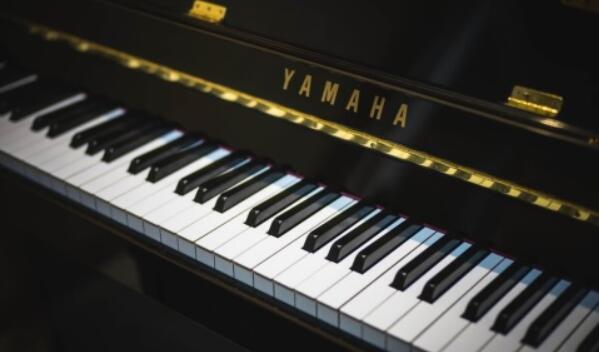
Weighted keys should be one of the features to look out before buying a piano keyboard. Though it may be pricey, a keyboard with weighted keys is a good investment. Weighted keys build your finger strength, thus enhancing your piano playing technique. As a result, it makes you feel like you are playing an acoustic piano.
These keys make your keyboard portable, versatile, and useful. When practicing with a keyboard with these keys, it builds and enhances your finger ability and strength. So, what are weighted keys on a keyboard?
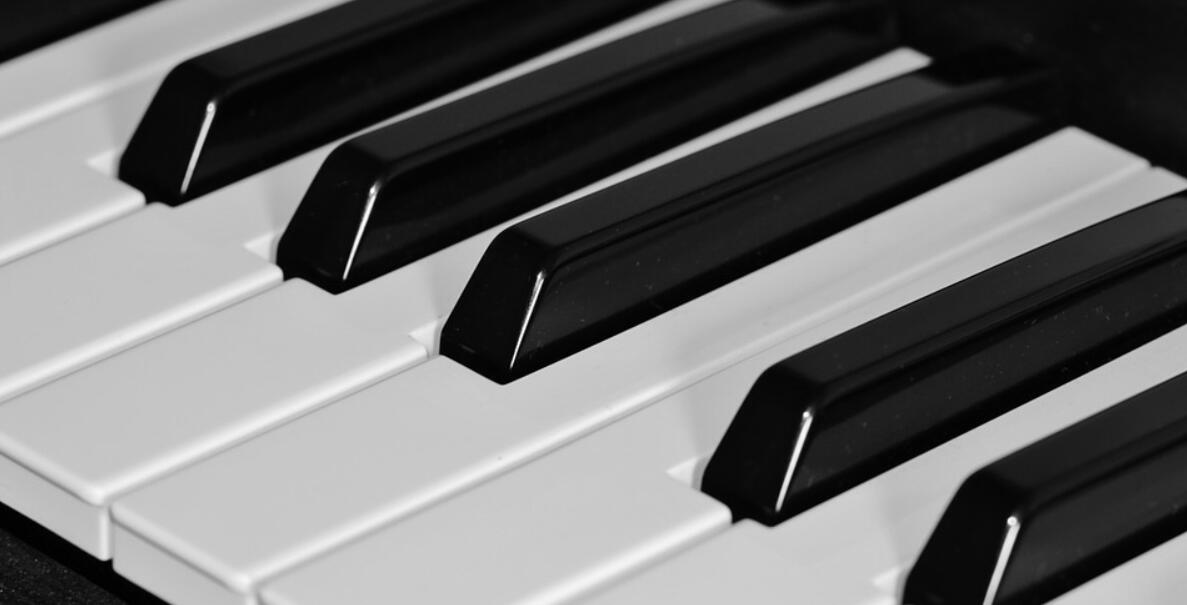
What are Weighted Keys?
Weighted keys are the type that provides resistance when you push down on them and the key itself reverts to its original position once your finger is withdrawn.
A seesaw analogy works best to try and imitate the feeling produced when you strike weighted keys. Your finger is on one side of the teeter-totter while the load is pressing down on the other side. Remove your finger and the keys should rise pushing on your finger upward.
The concept of weighted keys is sourced from traditional acoustic pianos which are the best in the industry. When you press a key on an acoustic piano a series of mechanical parts move in unison and ultimately leads to a hummer pressing or hitting against a tensioned metallic string that vibrates producing the note you hear.
When your finger prices down, it experiences some resistance in motion creating that sensation an acoustic piano is so well renowned for. It is also worth mentioning that the term keyboard is linked to an unweighted keyset while a digital piano is linked to the weighted type of keyboard.
There are various ways in which different manufacturers use to create the weighted feel of keys on their devices. Some attach weights to the keys while some use a spring mechanism to create resistance or in some cases both.
Types of Weighted Keyboards
1. Non-Weighted
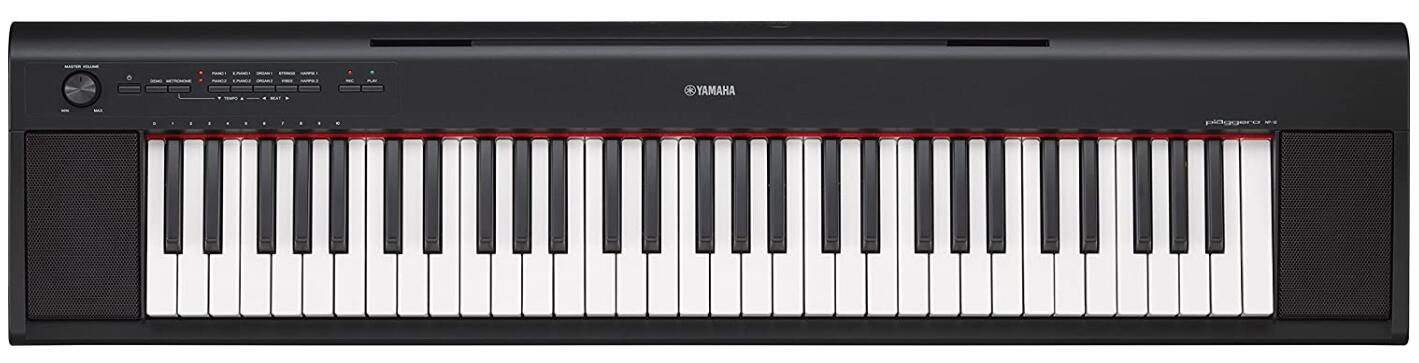
They offer little to no resistance when you push down on them. The keys are light and very easy to press.
They are mostly entry-level keyboards targeted for the newer players who are still familiarising themselves with the various keys and methods of playing.
In no way comes close to the feel and finesse of a real acoustic piano. They are also the type that is friendliest to the pocket.
>>Recommended Non-Weighted Keyboard -Yamaha NP 12<<
2. Semi-Weighted
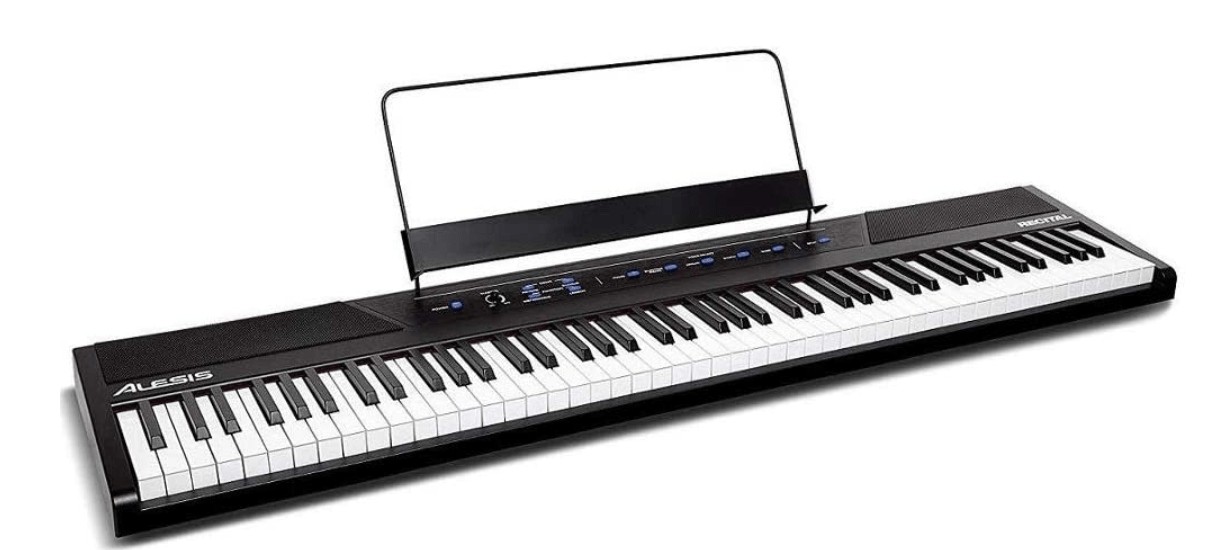
Simply think of an ordinary non-weighted keyboard but with a twist of added resistance to the keys.
It gets its weighted action from springs which push back when you press on a key. Semi-weighted keyboard is designed with portability in mind as it somewhat copies the weighted feel of a piano, though the resistance offered may be the same throughout all the keys.
Despite the keys depressing quickly, they may feel slightly slow as they rise back up and this may affect some piano playing techniques.
>>Recommended Semi-Weighted Keyboard -Alesis Recital 88 Key<<
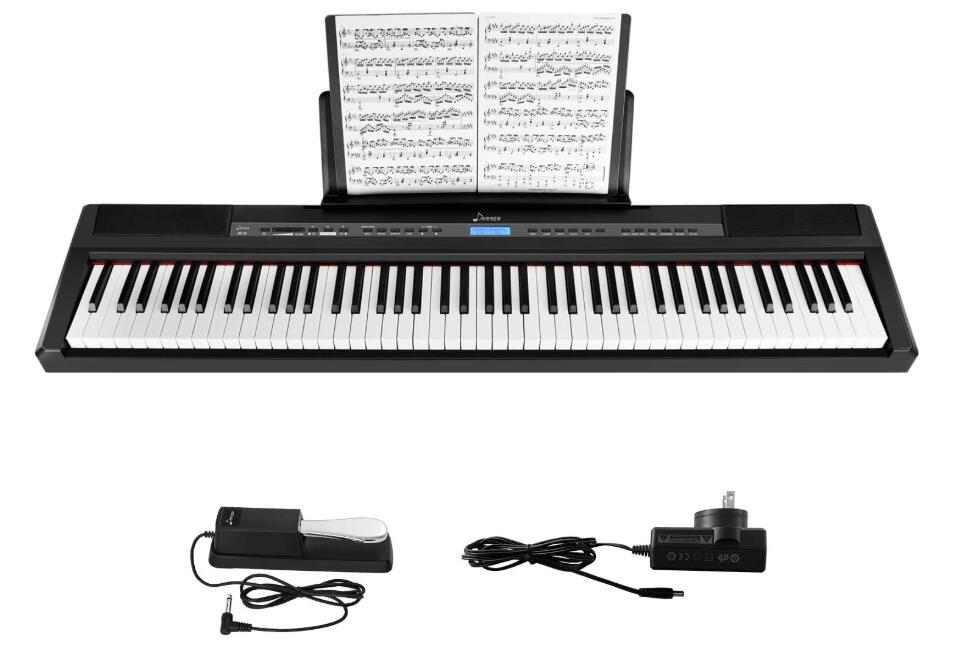
3. Fully-Weighted
It operates very similar to the semi-weighted mechanism but it offers way more resistance due to weights added to the keys.
This type of keyboard provides the same weight of keys across the board and is also equipped with stronger return springs.
It is great for developing player continuance while copying the feel of an acoustic piano.
>>Recommended Fully-Weighted Keyboard -Donner DEP-20<<
4. Hammer Action Keys
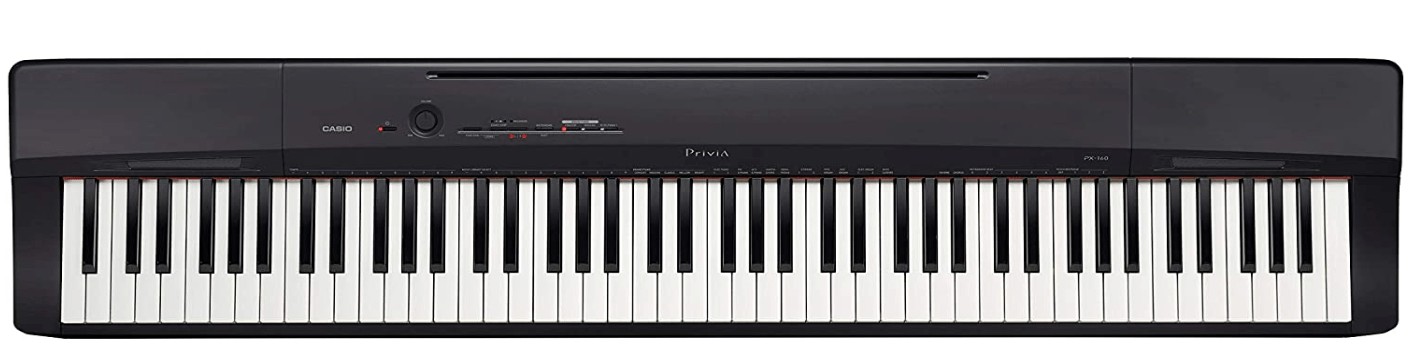
More resistance is encountered when playing lower-range keys and as you climb up the range, the keys progressively get lighter and lighter to press.
Some of the higher-end models manufacture their keys out of wood to further mimic the feel of a real piano.
It is a step higher than the semi-weighted type and is a good alternative for practicing on a real-like piano.
Resistance comes from a series of weights attached to the keys, bass notes providing more resistance than the treble notes.
Also, some are touch-sensitive in that if you strike it lightly, it will make a softer sound, and if you strike it hard it will generate a much louder sound.
>>Recommended Hammer Action Keyboard -Casio PX-160<<
Importance of Weighted Keys
1. You get to gain experience in real-life piano even if you don’t have one. Knowing just how something feels in operation could drastically improve how you play.
2. In a professional setting, you will most often than not find a piano with weighted keys on the ready. It would do you good if you had a firm mastery of how everything should feel like so that you are not thrown off.
3. With keyboards with weighted keys, you get to gain more endurance to play, as the muscles involved develop further with heavier weights than with no weight at all.
4. With knowledge on how to play with keys that are waited, you can easily adjust from different settings making you an all-round piano player. This could also help if you practice at home but have to play a real piano either at school or with your teacher.
Benefits of Weighted Keys for Beginners and Professionals
1. Sensation
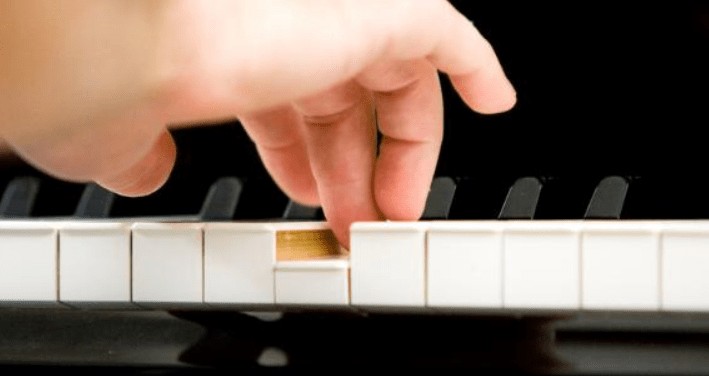
You get the feel of a real acoustic piano. The nonweighted keys are easier to push but not necessarily beneficial as under experienced pianists may lack muscle development which can affect their playing time.
2. Familiarity
Weighted keys make you more familiar with the sensitivity needed to push the keys like that of a real piano.
With continued practice, you come to notice that a weighted keyboard does so much good to you as compared to a nonweighted one.
This can also aid in transitioning from a keyboard to the main stage piano.
3. Control
You gain more control over-weighted keys as compared to unweighted ones because they don’t provide the resistance needed to improve skills.
You may think you’re doing good on weightless keys but a piano that has weighted keys may prove difficult.
4. Versatility
If you can play weighted keys on a keyboard properly, then you are far better off than a person who is trained on nonweighted keys and knows nothing else.
It will be easier for you to acclimate to unweighted keys but it may prove difficult if the tables were turned.
It may affect the transition a person is used to which can throw them off.
5. Portability
Nowadays in the market can find battery-powered pianos which have revolutionized piano playing everywhere.
Even the simple keyboard changed the game as it proved to be a movable piano.
With the ability to move with your keyboard to any location, it makes practicing easier and eventually making you a better player at your convenience.
Conclusion
For first-time piano players who are just getting introduced to the art, the best advice is to go for semi-weighted or graded keyboards.
They closely as they can, try to mimic the feel of a real Piano, like the one you would find in an orchestra.
It helps to think about the future and keep in mind you will not remain an amateur player forever. For this reason, try to purchase yourself a good keyboard from the word go to avoid future redundant costs.
When purchasing a keyboard make sure to test them out and find one that suits you, this will favor your practice and determine how good you play.
